Intro
Gaming on Linux has evolved dramatically over the past few years. What was once considered a niche platform for enthusiasts has become a practical choice for gamers who want flexibility, performance, and greater control over their systems. Thanks to advancements in graphics drivers, compatibility layers, and gaming-focused tools, Linux now supports thousands of popular titles.


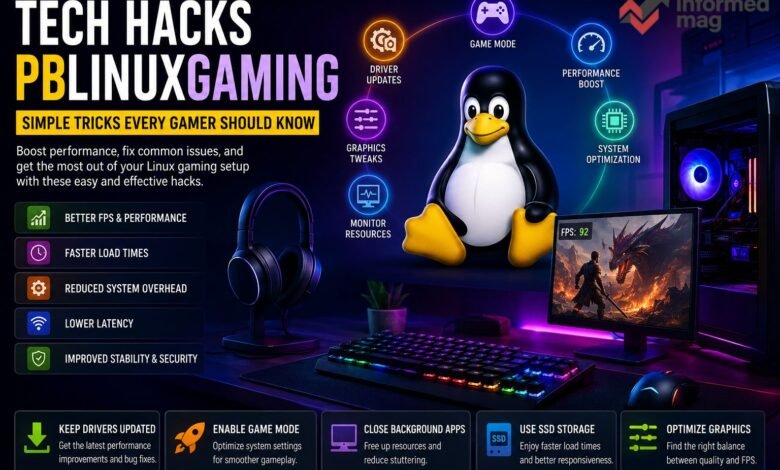
Among the many resources available to Linux gamers, tech hacks pblinuxgaming has become a popular topic for users looking to improve performance, solve common gaming issues, and get more from their hardware. Whether you are new to Linux or have been using it for years, understanding a few simple gaming hacks can make a noticeable difference in your experience.
This guide explores practical techniques, optimization methods, and useful habits that can help Linux gamers enjoy smoother gameplay and a more stable system.
| Label | Information |
|---|---|
| Topic | Tech Hacks PBLinuxGaming |
| Category | Linux Gaming |
| Purpose | Improve gaming performance |
| Main Focus | Gaming optimization tips |
| Target Users | Linux gamers |
| Skill Level | Beginner to advanced |
| Key Benefit | Better FPS and smoother gameplay |
| Performance Tools | Resource monitoring and Game Mode |
| Hardware Support | Works with most gaming PCs |
| Common Fixes | Lag, crashes, and stuttering |
| Recommended Upgrade | SSD storage for faster loading |
| System Requirement | Updated drivers and software |
| Overall Goal | More stable and enjoyable gaming |
What Is Tech Hacks PBLinuxGaming?
The term tech hacks pblinuxgaming refers to a collection of tips, tweaks, and optimization techniques designed to improve gaming performance on Linux systems. These hacks focus on helping users make better use of available resources without necessarily upgrading hardware.
Linux offers a unique level of customization compared to many operating systems. Gamers can modify settings, choose lightweight desktop environments, optimize drivers, and adjust system behavior to maximize gaming performance.
Rather than relying on complicated technical modifications, many of these hacks involve simple changes that can deliver meaningful improvements.
Why Linux Gamers Use Optimization Techniques
Every gaming system has limitations. Even powerful computers can experience frame drops, stuttering, excessive resource usage, or compatibility problems.
Linux users often explore optimization methods because they want:
- Better frame rates
- Faster game loading times
- Reduced system overhead
- Lower latency
- Improved stability
- Greater hardware efficiency
The goal is not simply to make games run faster. It is about creating a smoother and more enjoyable gaming experience.
Keep Graphics Drivers Updated
One of the most important gaming tips is keeping graphics drivers updated.
Modern graphics drivers contain performance improvements, bug fixes, and support for newly released games. Both NVIDIA and AMD regularly release updates that improve compatibility and enhance performance.
Outdated drivers can cause:
- Lower frame rates
- Graphical glitches
- Crashes
- Game launch failures
Linux distributions usually provide reliable methods for updating drivers through official repositories. Making driver updates a regular part of system maintenance can significantly improve gaming performance.
Many gaming issues are resolved simply by installing the latest stable graphics driver.
Enable Game Mode
Game Mode is one of the most useful tools available to Linux gamers.
It temporarily optimizes system settings while a game is running. This includes adjusting CPU priorities, modifying power management settings, and reducing unnecessary background activity.
The result is often a smoother gaming experience with fewer interruptions.
Game Mode is especially useful on systems where background applications compete for resources. By giving games higher priority, the operating system can focus more processing power on gameplay.
Many modern Linux gaming communities recommend Game Mode as one of the first optimizations users should try.
Reduce Background Processes
Many gamers overlook how much system performance is consumed by background applications.
Programs running in the background may use:
- CPU resources
- Memory
- Disk activity
- Network bandwidth
Before starting a game, consider closing unnecessary applications.
Examples include:
- Web browsers with multiple tabs
- File synchronization software
- Media players
- Unused communication applications
Even small reductions in background activity can improve responsiveness and reduce stuttering during gameplay.
Choose a Lightweight Desktop Environment
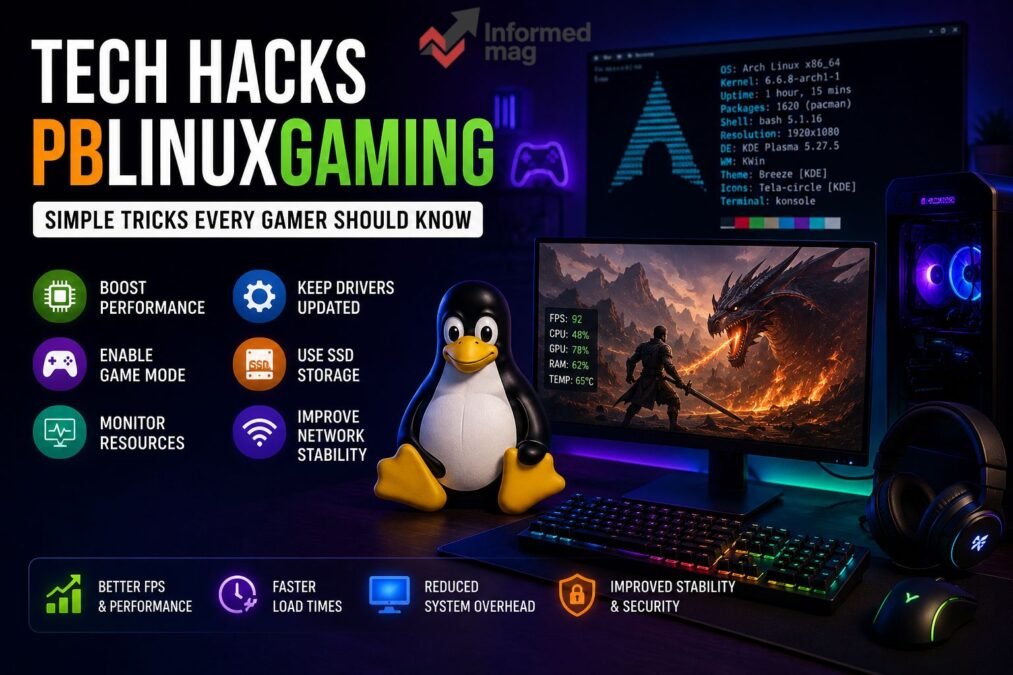
Linux offers numerous desktop environments, each with different resource requirements.
Some environments consume more RAM and CPU resources than others. Gamers looking to maximize performance often prefer lightweight options.
Lighter desktop environments leave more system resources available for games.
This can be especially beneficial for older computers or systems with limited hardware capabilities.
While the difference may not always be dramatic on high-end systems, every available resource contributes to a smoother gaming experience.
Optimize Graphics Settings
Many gamers immediately select maximum graphics settings without considering their hardware limitations.
One of the most effective optimization strategies is finding the right balance between visual quality and performance.
Settings that commonly impact frame rates include:
- Shadows
- Anti-aliasing
- Reflections
- Ambient occlusion
- Texture quality
Lowering a few demanding settings often produces significant performance gains while maintaining attractive visuals.
Instead of reducing every option, focus on the settings known to have the largest performance impact.
Smart graphics adjustments often provide better results than expensive hardware upgrades.
Monitor System Resources
Understanding how your system performs is essential for effective optimization.
Monitoring tools allow gamers to observe:
- CPU usage
- GPU usage
- Memory consumption
- Temperature levels
- Frame rates
These metrics help identify performance bottlenecks.
For example, if CPU usage remains near maximum while GPU usage stays low, the processor may be limiting performance. If memory usage is extremely high, adding RAM or reducing background applications may help.
Resource monitoring turns optimization from guesswork into a data-driven process.
Use SSD Storage
Storage speed plays a major role in gaming performance.
Although SSDs do not usually increase frame rates, they dramatically improve:
- Game loading times
- System responsiveness
- Asset streaming
- Update installation speed
Modern games frequently load large amounts of data while running. Faster storage can reduce delays and improve overall smoothness.
If possible, install frequently played games on SSD storage rather than traditional hard drives.
This remains one of the most noticeable upgrades gamers can make.
Improve Network Stability
Online gaming depends heavily on network quality.
A powerful computer cannot compensate for poor internet performance.
To improve online gaming:
- Use wired Ethernet when possible
- Reduce network congestion
- Limit large downloads during gameplay
- Keep networking hardware updated
Lower latency leads to faster response times and a more consistent multiplayer experience.
Competitive gamers often pay close attention to network optimization because even small improvements can impact gameplay.
Manage System Updates Carefully
Linux updates provide security patches and software improvements, but timing matters.
Installing updates immediately before an important gaming session may introduce unexpected issues.
A practical approach is to:
- Test major updates before competitive gaming
- Create backups when necessary
- Review update notes
- Maintain stable software versions
This strategy helps balance system security with gaming reliability.
Common Gaming Problems and Solutions
Even well-optimized systems occasionally experience issues.
Low FPS
Low frame rates may result from:
- Outdated drivers
- High graphics settings
- Excessive background processes
- Thermal throttling
Checking these areas often resolves performance problems quickly.
Stuttering
Stuttering can occur when system resources become overloaded.
Potential solutions include:
- Closing unnecessary applications
- Reducing graphics settings
- Updating drivers
- Installing games on SSD storage
Game Crashes
Crashes may stem from software conflicts, corrupted files, or compatibility issues.
Verifying game files and reviewing system logs often helps identify the root cause.
Audio Problems
Linux audio systems are generally reliable, but occasional issues occur.
Updating audio packages and reviewing output settings usually resolves sound-related problems.
Compatibility Tools Matter
One reason Linux gaming has grown significantly is the availability of compatibility layers that allow many Windows games to run on Linux systems.
These tools continue to improve every year and support a growing number of titles.
For gamers, this means:
- Access to larger game libraries
- Improved compatibility
- Better performance than in previous years
Understanding compatibility settings can help users achieve better results with certain games.
Security Should Never Be Ignored
Performance optimization should never come at the cost of security.
Some online guides recommend risky modifications without explaining potential consequences.
A safer approach involves:
- Using trusted software sources
- Avoiding unknown scripts
- Keeping systems updated
- Creating backups before major changes
Security and performance should work together rather than compete against each other.
Mistakes Gamers Often Make
Many Linux gamers unintentionally create problems while trying to improve performance.
Common mistakes include:
Installing Too Many Tweaks
Applying numerous modifications simultaneously makes troubleshooting difficult.
Change one setting at a time and evaluate the results.
Ignoring Hardware Limits
No optimization can completely overcome hardware limitations.
Realistic expectations are important when tuning gaming performance.
Skipping Maintenance
Regular maintenance helps maintain stability and performance over time.
Driver updates, software updates, and storage management should become routine habits.
Following Unverified Advice
Not every optimization guide is accurate.
Always verify recommendations through reputable Linux communities and trusted documentation.
The Future of Linux Gaming
Linux gaming continues to gain momentum.
Major game engines increasingly support Linux development. Graphics technologies continue to improve, and compatibility tools are becoming more sophisticated.
The growing popularity of Linux-based gaming devices has also contributed to wider adoption.
As developers invest more resources into Linux support, gamers can expect:
- Better game compatibility
- Improved performance
- Enhanced driver support
- Expanded gaming libraries
The future looks increasingly promising for Linux users who enjoy gaming.
Frequently Asked Questions
Is tech hacks pblinuxgaming suitable for beginners?
Yes. Many optimization techniques are simple enough for beginners and require little technical knowledge.
Can these hacks improve FPS?
In many cases, yes. Driver updates, graphics adjustments, and resource optimization can help increase frame rates.
Do I need expensive hardware?
No. Many performance improvements come from better system configuration rather than hardware upgrades.
Are these optimizations safe?
Most standard optimization techniques are safe when performed carefully and using trusted resources.
Which tip provides the biggest improvement?
Keeping graphics drivers updated and optimizing graphics settings typically provide the most noticeable results.
Conclusion
Tech hacks pblinuxgaming focuses on helping gamers get the best possible experience from their Linux systems. While there is no single tweak that magically solves every problem, a combination of smart practices can deliver impressive results.
Updating graphics drivers, reducing background processes, enabling Game Mode, monitoring system resources, and optimizing graphics settings are among the most effective techniques available. These adjustments require minimal effort but can have a meaningful impact on performance and stability.
Linux gaming has never been more accessible than it is today. By applying these practical tips and maintaining your system regularly, you can enjoy smoother gameplay, faster load times, and a more reliable gaming environment without unnecessary complexity.