Introduction
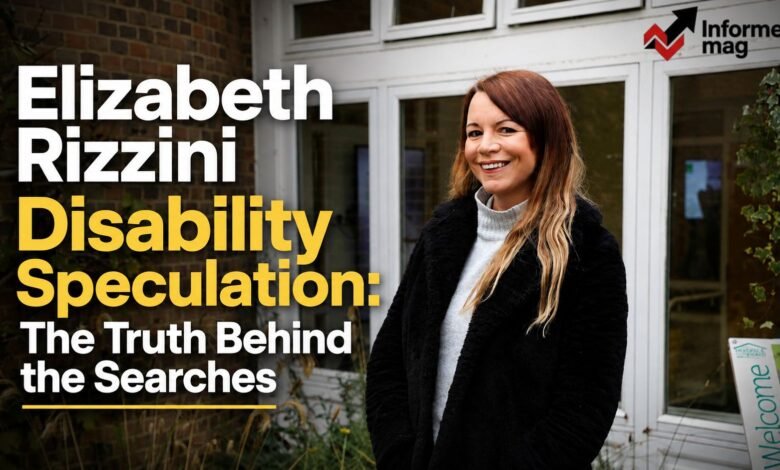
The phrase “Elizabeth Rizzini disability” has become a popular search term online, leading many people to wonder whether the well-known British weather presenter has spoken publicly about a disability or health condition. As search trends grow, curiosity often follows, especially when public figures attract widespread attention.

However, it is important to separate verified information from online speculation. Public interest in celebrities and television personalities frequently leads to rumors, assumptions, and search queries that may not be based on confirmed facts. In Elizabeth Rizzini’s case, many people searching for information about a disability are often looking for clarity rather than gossip.
This article explores who Elizabeth Rizzini is, why disability-related searches have become common, what information is publicly available, and why responsible reporting matters when discussing the health of public figures.
Bio
| Label | Information |
|---|---|
| Name | Elizabeth Rizzini |
| Profession | Weather Presenter |
| Industry | Broadcasting |
| Known For | Television Weather Forecasts |
| Nationality | British |
| Career Field | Meteorology |
| Public Role | TV Weather Broadcaster |
| Topic Covered | Disability Speculation |
| Disability Status | No Public Confirmation |
| Main Search Query | Elizabeth Rizzini Disability |
| Information Source | Publicly Available Reports |
| Key Takeaway | Rumors Remain Unverified |
Who Is Elizabeth Rizzini?
Elizabeth Rizzini is a respected British weather presenter and meteorologist known for her work in television broadcasting. Over the years, she has built a strong reputation for delivering weather forecasts with professionalism, accuracy, and confidence.
Many viewers recognize her from her appearances on British television, where she has become a familiar face for weather updates. Her communication skills and approachable presentation style have helped her gain a loyal audience.
Although weather presenters are primarily known for delivering forecasts, many develop a significant public following. As a result, interest often extends beyond their professional work and into their personal lives.
Elizabeth Rizzini’s career reflects years of dedication to meteorology and broadcasting. Her presence on television has made her one of the more recognizable weather presenters in the United Kingdom.
Why Are People Searching for Elizabeth Rizzini Disability?
Online searches are often driven by curiosity. Sometimes a search term becomes popular simply because enough people begin looking for the same information, whether or not there is evidence behind the topic.
The keyword “Elizabeth Rizzini disability” appears to be one of those examples. Many people encounter the phrase through search engine suggestions, social media discussions, or online forums and then search for answers.
In today’s digital environment, search trends can spread rapidly. A question asked by a few individuals can eventually become a widely searched topic. This does not necessarily mean the claim behind the search is true.
Public figures frequently become subjects of speculation regarding their health, relationships, careers, and personal lives. In many cases, curiosity alone is enough to generate thousands of searches.
For Elizabeth Rizzini, the popularity of disability-related searches appears to stem more from public interest than from any widely documented announcement.
What Public Information Is Available?
When examining publicly available information about Elizabeth Rizzini, an important fact becomes clear: there is no widely reported or publicly confirmed evidence indicating that she has a disability.
Throughout her television career, she has remained primarily known for her professional work as a weather presenter. Public interviews, media profiles, and television appearances focus largely on her broadcasting career, meteorological expertise, and personal milestones that have entered the public domain.
While public figures sometimes choose to discuss medical conditions or disabilities, that decision remains entirely personal. In Elizabeth Rizzini’s case, there does not appear to be any major public statement confirming a disability.
This distinction matters because search popularity should never be mistaken for verified information.
The Difference Between Searches and Facts
One of the biggest challenges of the modern internet is the confusion between search trends and factual reporting.
A popular search query may suggest that many people are asking the same question, but it does not confirm the accuracy of the topic itself. Search engines generate suggestions based on user behavior, not verified evidence.
For example, if enough users search a phrase repeatedly, it may begin appearing as an auto-suggested query. This process can create a cycle in which more people search the term simply because they have seen it suggested.
As a result, some searches become widespread despite having little or no factual foundation.
The discussion surrounding Elizabeth Rizzini disability highlights the importance of checking reliable sources before accepting online claims as true.
Elizabeth Rizzini’s Career and Public Reputation
Elizabeth Rizzini’s professional achievements are one of the main reasons she attracts public attention.
Weather broadcasting requires a combination of scientific understanding and effective communication. Presenters must interpret meteorological data and explain changing weather conditions in ways that viewers can easily understand.
Over the years, Elizabeth Rizzini has demonstrated these skills consistently. Her forecasts are known for being informative, clear, and engaging.
Audiences often develop a connection with television presenters because they appear regularly in their homes. This familiarity can create a natural curiosity about the presenter’s background and personal life.
While such interest is understandable, it should always be balanced with respect for privacy and accuracy.
How Celebrity Health Rumors Begin
Health-related speculation involving public figures is not a new phenomenon. Long before social media existed, celebrities faced rumors about their personal lives.
Today, information spreads faster than ever. A single comment, photograph, social media post, or online discussion can quickly become the basis for widespread speculation.
Sometimes rumors emerge because people misinterpret visual appearances. Other times, they result from misunderstandings, assumptions, or completely unfounded claims.
Search engines can amplify these discussions by displaying related searches, creating the impression that a topic has more evidence behind it than it actually does.
This pattern has affected countless public figures across entertainment, sports, politics, and broadcasting.
The situation involving searches about Elizabeth Rizzini demonstrates how online curiosity can evolve into a recurring topic even when little verified information exists.
The Role of Social Media
Social media platforms have transformed the way information is shared.
While these platforms offer valuable opportunities for communication and discussion, they can also contribute to the spread of misinformation. Posts are often shared quickly without verification, allowing rumors to reach large audiences.
A statement repeated frequently can begin to appear credible, even if it lacks supporting evidence.
For public figures, this environment can be challenging. Personal details may become the subject of discussion despite having never been publicly confirmed.
This is one reason why responsible journalism and fact-checking remain essential. Readers should always seek information from trustworthy sources rather than relying solely on social media conversations.
Respecting Personal Privacy
Public figures often live under a level of scrutiny that most people never experience. Their careers place them in the public eye, but that visibility does not eliminate their right to privacy.
Medical information is among the most personal forms of information a person can possess. Whether someone chooses to share details about a health condition or disability should remain their decision.
When discussing topics like disability, sensitivity and accuracy are especially important. Making assumptions based on appearance, rumors, or internet discussions can lead to unfair conclusions.
Respecting privacy does not mean avoiding legitimate reporting. Instead, it means ensuring that information is supported by credible evidence before it is presented as fact.
This principle applies equally to celebrities, journalists, broadcasters, and private individuals.
Why Reliable Sources Matter
The internet provides access to enormous amounts of information, but not all information carries the same level of reliability.
Professional journalism, official statements, reputable publications, and verified interviews generally provide stronger evidence than anonymous online discussions.
When researching any public figure, readers should ask important questions:
- Is the information coming from a trusted source?
- Has the individual publicly confirmed the claim?
- Do multiple reliable sources support the same information?
- Is the report based on evidence rather than speculation?
These questions help separate fact from rumor.
In the case of Elizabeth Rizzini, publicly available information does not provide verified confirmation of a disability. Therefore, claims suggesting otherwise should be treated cautiously unless supported by credible evidence.
Public Interest and Ethical Reporting
Interest in public figures is natural. Viewers often want to learn more about the people they see on television every day.
However, ethical reporting requires a careful balance between public curiosity and personal dignity.
Stories involving health conditions, disabilities, and medical issues should be handled with particular care. Journalists and content creators have a responsibility to avoid sensationalism and focus on verified information.
Readers also play a role by choosing reliable sources and questioning unsupported claims.
Responsible reporting benefits everyone. It protects individuals from misinformation while helping audiences gain a more accurate understanding of the topics they are researching.
Frequently Asked Questions
Does Elizabeth Rizzini have a disability?
There is no widely reported or publicly confirmed information indicating that Elizabeth Rizzini has a disability.
Has Elizabeth Rizzini spoken publicly about a disability?
No major public statement confirming a disability appears to be available through reputable public sources.
Why is “Elizabeth Rizzini disability” a popular search term?
The phrase has gained attention through online curiosity, search trends, and public interest in her personal life.
Are there reliable sources confirming disability claims?
At the time of writing, no widely recognized and verified public sources appear to confirm such claims.
What is Elizabeth Rizzini best known for?
She is best known for her work as a British weather presenter and meteorologist.
Conclusion
The growing interest in Elizabeth Rizzini disability demonstrates how online searches can sometimes create questions that attract significant attention despite limited supporting evidence. While the topic continues to appear in search results, publicly available information does not provide verified confirmation that Elizabeth Rizzini has a disability.
As with any discussion involving a person’s health, facts should take priority over speculation. Search trends, social media conversations, and internet rumors are not substitutes for credible reporting.
Elizabeth Rizzini remains widely recognized for her professional contributions to weather broadcasting. Rather than focusing on unverified claims, the most reliable approach is to rely on confirmed information and respect personal privacy.
In an age where information spreads rapidly, accuracy, fairness, and responsible reporting remain more important than ever.