Introduction
Understanding backtofrontshow pricing is one of the first steps for anyone considering the platform. Pricing often plays a major role in deciding whether a service fits your needs, especially when multiple alternatives are available in the market. While features and performance matter, users also want to know if the cost delivers reasonable value.


For new users, pricing structures can sometimes seem confusing. Different plans may include different features, support options, user limits, or usage allowances. Taking time to understand these details helps avoid unnecessary expenses and ensures you select a plan that matches your goals.
This guide explains the key aspects of backtofrontshow pricing, how pricing models generally work, what factors influence costs, and how new users can choose the most suitable option.
| Label | Information |
|---|---|
| Topic | BacktoFrontShow Pricing |
| Type | Pricing Guide |
| Purpose | Help users understand costs |
| Intended Audience | New and potential users |
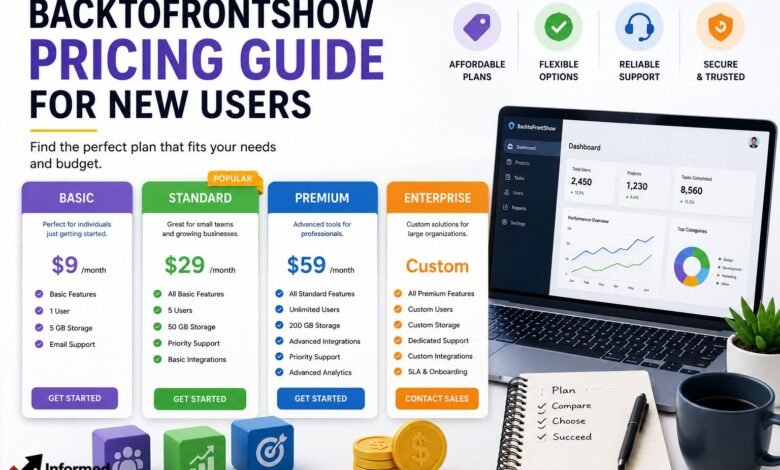
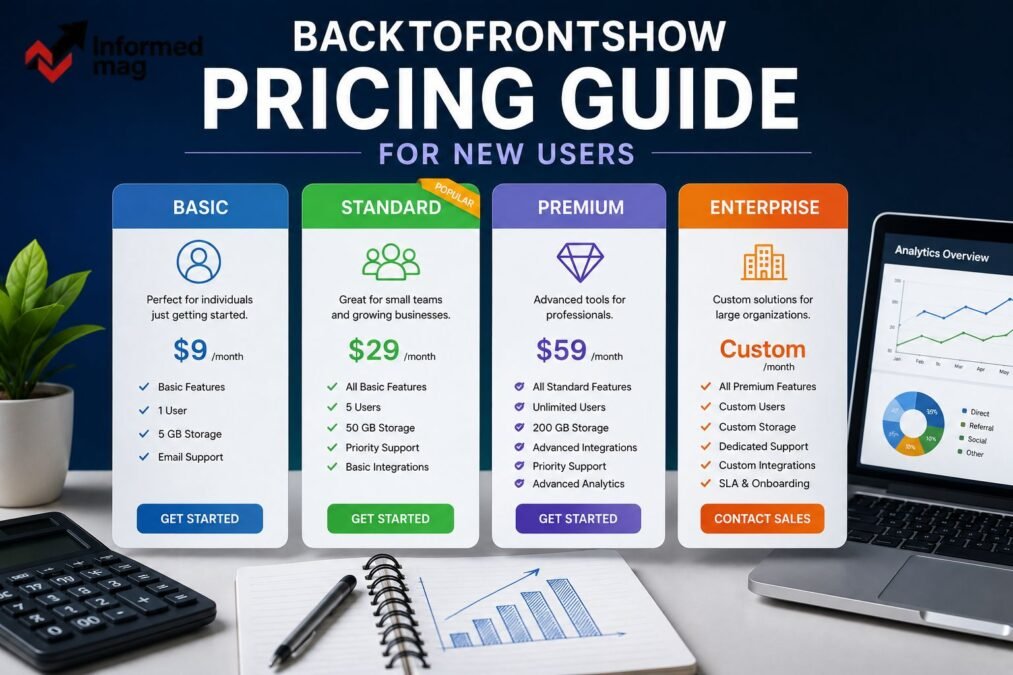
| Pricing Model | Subscription-based plans |
| Main Benefit | Flexible plan choices |
| Entry-Level Plan | Suitable for beginners |
| Mid-Tier Plan | More features and flexibility |
| Premium Plan | Advanced tools and support |
| Enterprise Option | Custom solutions for businesses |
| Key Consideration | Features versus cost |
| Money-Saving Tip | Compare annual and monthly billing |
| Overall Goal | Choose the best-value plan |
What Is BacktoFrontShow?
BacktoFrontShow is designed to provide users with tools and services that help manage, create, or streamline specific tasks depending on the platform’s intended purpose. Like many modern software services, it typically offers different plans to accommodate various user needs.
Some users may only need basic functionality, while others require advanced features, additional support, or larger usage limits. This is why many platforms structure their pricing in tiers rather than offering a single package for everyone.
For new users, understanding the available options can make the selection process easier and more cost-effective.
Why Pricing Matters
Pricing affects more than just your monthly or annual expenses. It directly influences the features, flexibility, and support available to you.
A lower-cost plan may provide all the essential tools needed by an individual user. On the other hand, businesses or advanced users may require premium features that justify a higher investment.
Choosing a plan without reviewing its limitations can lead to problems later. Users may discover they need features that are only available in higher tiers, resulting in unexpected upgrades.
A careful review of pricing before subscribing can save both time and money.
Understanding Pricing Models
Most digital platforms use one of several common pricing approaches.
The first is subscription-based pricing, where users pay monthly or annually for access. This model provides ongoing updates, support, and feature improvements.
Another model involves one-time purchases. Users pay once and receive permanent access to a specific version of the software. However, this approach has become less common among cloud-based services.
Some platforms also combine both methods by offering subscription plans alongside optional upgrades or add-ons.
Understanding which model applies helps users estimate long-term costs more accurately.
What Influences BacktoFrontShow Pricing?
Several factors can affect pricing levels.
One major factor is feature access. Basic plans often include core functionality, while advanced plans unlock additional tools and customization options.
Another factor is usage limits. Some plans may restrict storage, projects, team members, or monthly activity levels.
Customer support can also influence pricing. Premium subscribers often receive faster response times and priority assistance.
Security features, integrations, and automation capabilities may further contribute to pricing differences between plans.
These factors help explain why one plan may cost significantly more than another.
Entry-Level Plans
Most software platforms provide an entry-level option designed for individuals and beginners.
These plans typically focus on simplicity and affordability. Users receive access to the core functionality needed to explore the platform and determine whether it meets their requirements.
An entry-level plan is often ideal for:
- First-time users
- Freelancers
- Students
- Personal projects
- Small-scale operations
The main advantage is lower financial risk. Users can learn the platform without committing to a higher-priced subscription.
For many people, entry-level plans offer enough functionality to handle daily tasks efficiently.
Mid-Tier Plans
As users become more familiar with a platform, their requirements often grow.
Mid-tier plans usually provide expanded capabilities compared to entry-level options. Additional features may include greater usage allowances, more integrations, advanced reporting, and enhanced customization.
Many small businesses choose mid-tier plans because they balance affordability with increased functionality.
These plans are often considered the best value because they provide significant improvements without reaching enterprise-level costs.
Users should carefully compare included features to determine whether the upgrade cost is justified.
Premium Plans
Premium plans are generally designed for users with more demanding requirements.
These plans may include:
- Advanced tools
- Higher usage limits
- Dedicated support
- Additional security features
- Enhanced collaboration capabilities
Organizations that rely heavily on the platform often select premium subscriptions because downtime or limitations can affect productivity.
Although premium plans require a larger investment, they can provide substantial value when advanced features are used regularly.
The key consideration is whether the included benefits support your actual needs.
Enterprise Solutions
Large organizations frequently require solutions that go beyond standard subscriptions.
Enterprise plans are often customized based on:
- Number of users
- Storage requirements
- Security needs
- Integration demands
- Support expectations
These plans may include personalized onboarding, dedicated account managers, and specialized service agreements.
Enterprise pricing is typically tailored to each organization’s requirements rather than displayed publicly.
For businesses with complex operations, custom solutions can provide greater flexibility and scalability.
Comparing Features and Costs
When evaluating backtofrontshow pricing, it is important to compare more than the monthly fee.
A lower-priced plan may appear attractive at first but could lack essential features. Conversely, a premium plan may include tools you never use.
A practical approach is to create a list of required features and compare them against each available plan.
Questions worth asking include:
- What features are essential?
- How many users need access?
- What growth is expected over the next year?
- Are advanced tools necessary?
This process helps identify the most cost-effective option.
Evaluating Value
Price alone does not determine value.
A plan that costs slightly more may provide significantly greater functionality, saving time and increasing productivity.
Value should be measured by considering:
- Features received
- Time savings
- Support quality
- Reliability
- Future scalability
Many users focus exclusively on cost while overlooking these factors.
The best plan is often the one that delivers the greatest benefit relative to its price rather than the cheapest option available.
Additional Costs to Consider
Some users overlook expenses beyond the advertised subscription fee.
Potential additional costs may include:
- Add-on features
- Premium integrations
- Extra storage
- Additional users
- Specialized support
Understanding these potential expenses helps create a more accurate budget.
Before subscribing, review all pricing details carefully to avoid surprises later.
Knowing the total cost of ownership is just as important as knowing the monthly subscription fee.
Monthly vs Annual Billing
Many platforms offer both monthly and annual payment options.
Monthly billing provides flexibility because users can adjust or cancel subscriptions more easily.
Annual billing often reduces overall costs by offering discounted rates.
Users who plan to use a platform long term may benefit from annual subscriptions. Those still evaluating the service may prefer monthly plans until they gain confidence in their decision.
Choosing the right billing cycle depends on your budget and commitment level.
Free Trials and Testing
A free trial can be one of the most valuable opportunities for new users.
Testing the platform before purchasing allows users to evaluate:
- Ease of use
- Feature availability
- Performance
- Support quality
Trials help determine whether a platform meets expectations before financial commitments are made.
If available, taking full advantage of a trial period can lead to more informed purchasing decisions.
Common Pricing Mistakes
Many users make avoidable mistakes when selecting a plan.
One common error is purchasing the most expensive option immediately.
Higher-priced plans often include features that beginners may not need.
Another mistake is focusing solely on price while ignoring functionality.
Users should also avoid choosing a plan based solely on current requirements if significant growth is expected in the near future.
Balancing present and future needs is essential.
Tips for Choosing the Right Plan
Selecting the right plan becomes easier when following a structured approach.
Start by identifying your goals.
Determine which features are essential and which are optional.
Estimate how frequently you will use the platform.
Consider future expansion plans.
Review support options carefully.
Compare annual and monthly costs.
Finally, evaluate overall value rather than focusing only on price.
These steps help ensure a more confident and informed decision.
Pros of BacktoFrontShow Pricing
Several aspects may appeal to users evaluating backtofrontshow pricing.
Flexible pricing structures often allow users to select plans that align with their needs.
Tiered options provide opportunities for growth without changing platforms.
Different pricing levels accommodate both individuals and organizations.
Subscription-based services frequently include updates and improvements, ensuring users continue receiving value over time.
These advantages contribute to a positive user experience.
Cons of BacktoFrontShow Pricing
Like any pricing model, potential drawbacks may exist.
Advanced features may only be available in higher-priced tiers.
Additional costs can increase overall expenses if not carefully managed.
Some users may pay for functionality they rarely use.
Understanding these limitations helps set realistic expectations before purchasing.
Being informed reduces the likelihood of future disappointment.
Frequently Asked Questions
Is backtofrontshow pricing suitable for beginners?
Yes. Most platforms provide beginner-friendly plans designed to help new users get started without significant financial commitments.
Can users change plans later?
In many cases, upgrades and downgrades are possible. Users should review platform policies for specific details.
Is annual billing better than monthly billing?
Annual billing often reduces overall costs, while monthly billing offers greater flexibility.
How can users determine the best plan?
The best approach is to compare features against actual needs rather than selecting based solely on price.
Are premium plans worth it?
Premium plans can provide excellent value when advanced features and higher usage limits are necessary.
Future Pricing Trends
Software pricing continues to evolve as technology advances.
Many platforms are introducing flexible usage-based models alongside traditional subscriptions.
Artificial intelligence, automation, and advanced analytics may influence future pricing structures.
Users can expect greater customization options and more personalized plan selections in the coming years.
Understanding these trends helps users make better long-term decisions.
Conclusion
BacktoFrontShow pricing should be evaluated based on value, features, and long-term suitability rather than cost alone. New users benefit from understanding how pricing structures work, what factors influence costs, and which plan aligns best with their requirements.
Whether choosing an entry-level subscription, a mid-tier option, or a premium package, careful evaluation can prevent unnecessary spending while maximizing benefits. Taking advantage of free trials, reviewing feature comparisons, and considering future growth are all smart strategies.
Ultimately, the right plan is the one that supports your goals, fits your budget, and provides the tools needed to achieve success. By approaching pricing decisions thoughtfully, new users can make confident choices and get the most value from their investment.