
Introduction
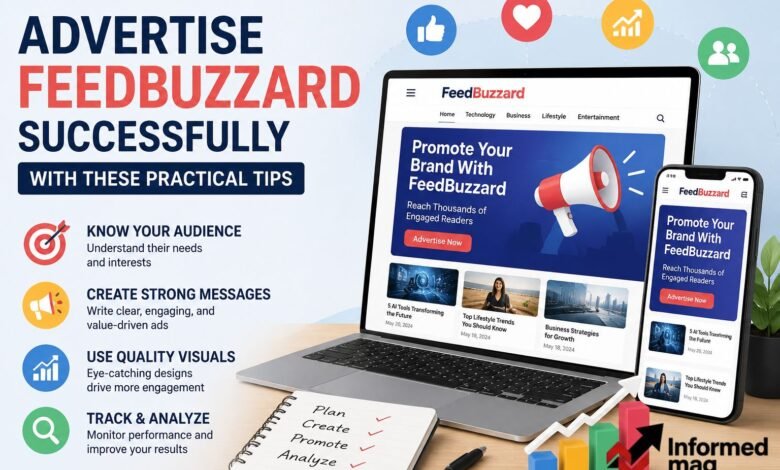
The phrase advertise FeedBuzzard has gained attention among marketers, business owners, and content creators looking for new ways to increase online visibility. As digital marketing becomes more competitive, many businesses are exploring alternative platforms that can help them connect with audiences beyond traditional advertising networks.


FeedBuzzard is commonly described as a content-focused platform that publishes articles across topics such as technology, lifestyle, business, and trending subjects. Its growing online presence has led many advertisers to wonder whether the platform can provide meaningful exposure for their brands.
While information about FeedBuzzard’s advertising options remains limited, understanding the fundamentals of digital advertising can help businesses make informed decisions when evaluating opportunities on platforms like FeedBuzzard.
This guide explores practical strategies, planning techniques, and best practices that can help advertisers maximize their results when considering FeedBuzzard as part of their marketing efforts.
| Label | Information |
|---|---|
| Topic | Advertise FeedBuzzard |
| Category | Digital Marketing |
| Purpose | Promote Brands Online |
| Platform Type | Content-Based Website |
| Main Goal | Increase Visibility |
| Target Users | Businesses and Marketers |
| Key Benefit | Audience Reach |
| Marketing Focus | Brand Awareness |
| Content Strategy | Relevant and Valuable Content |
| Success Factor | Audience Targeting |
| Performance Measure | Traffic and Engagement |
| Budget Approach | Flexible Based on Goals |
| Long-Term Value | Sustainable Brand Growth |
Understanding FeedBuzzard
FeedBuzzard operates primarily as a content-driven website that publishes articles covering a variety of topics. Readers often visit the platform to discover short, easy-to-read content about technology, entertainment, lifestyle trends, and other subjects.
One reason FeedBuzzard attracts attention is its simple content format. Many readers prefer concise articles that deliver information quickly, making content platforms attractive places for brands seeking visibility.
For advertisers, content-focused websites can offer opportunities to reach engaged audiences who are already consuming information related to their interests.
Why Businesses Explore FeedBuzzard
Digital marketing today is about more than simply placing advertisements online. Successful campaigns focus on reaching the right audience at the right time.
Platforms like FeedBuzzard appeal to businesses because they combine content consumption with audience engagement. Readers visiting content websites are often actively exploring information, making them potentially receptive to relevant promotional messages.
Businesses may consider FeedBuzzard for several reasons:
- Expanding brand visibility
- Reaching niche audiences
- Supporting content marketing goals
- Diversifying advertising channels
- Building awareness through digital publishing
These objectives align with broader digital marketing strategies that prioritize audience engagement over simple ad impressions.
Setting Clear Advertising Goals
Before launching any advertising campaign, businesses should establish clear goals.
Without a defined objective, it becomes difficult to measure success or determine whether advertising spending is generating value.
Some common goals include:
- Increasing website traffic
- Generating leads
- Building brand recognition
- Promoting products or services
- Growing email subscribers
- Encouraging content engagement
Different goals require different approaches. A campaign focused on awareness may prioritize visibility, while a lead-generation campaign requires stronger calls to action and conversion tracking.
Understanding your objective from the beginning creates a stronger foundation for every advertising decision that follows.
Knowing Your Audience
One of the most important factors in successful advertising is audience understanding.
Many campaigns fail because businesses focus too heavily on what they want to say rather than what their audience wants to hear.
Before advertising on any platform, consider:
- Who are your ideal customers?
- What problems are they trying to solve?
- What content interests them?
- What motivates them to take action?
- What type of messaging resonates with them?
The better you understand your audience, the easier it becomes to create advertisements that feel relevant and valuable.
Audience-focused advertising almost always outperforms generic promotional messaging.
Creating Strong Ad Messages
Advertising success often depends on messaging quality.
Readers encounter thousands of marketing messages every day. To stand out, advertisements must communicate value clearly and quickly.
Strong advertising messages typically share several characteristics:
- Clear language
- Relevant benefits
- Simple structure
- Authentic tone
- Specific value proposition
Instead of focusing exclusively on product features, emphasize outcomes and solutions.
For example, rather than highlighting technical specifications, explain how a product saves time, reduces costs, improves efficiency, or solves a specific challenge.
Readers respond more positively when they understand how an offer benefits them personally.
Using Effective Visual Content
Visual presentation plays a significant role in digital advertising.
Whether using banner graphics, sponsored content images, or promotional visuals, quality matters.
Professional visuals help establish credibility and encourage engagement.
Effective visual content generally includes:
- Clean design
- Consistent branding
- Readable text
- Relevant imagery
- Professional appearance
Consistency across advertising materials also strengthens brand recognition over time.
When audiences repeatedly encounter a consistent visual identity, trust and familiarity gradually increase.
The Importance of Content Alignment
One of the most effective advertising principles involves aligning promotional content with audience interests.
If readers are consuming technology-related content, technology-focused promotions may feel more relevant. Similarly, lifestyle audiences often respond better to products and services connected to their interests.
Content alignment improves engagement because advertisements feel more natural within the surrounding environment.
Rather than interrupting the user experience, relevant promotions become part of it.
This principle applies across nearly every form of digital advertising and remains one of the strongest predictors of campaign success.
Building Trust Through Advertising
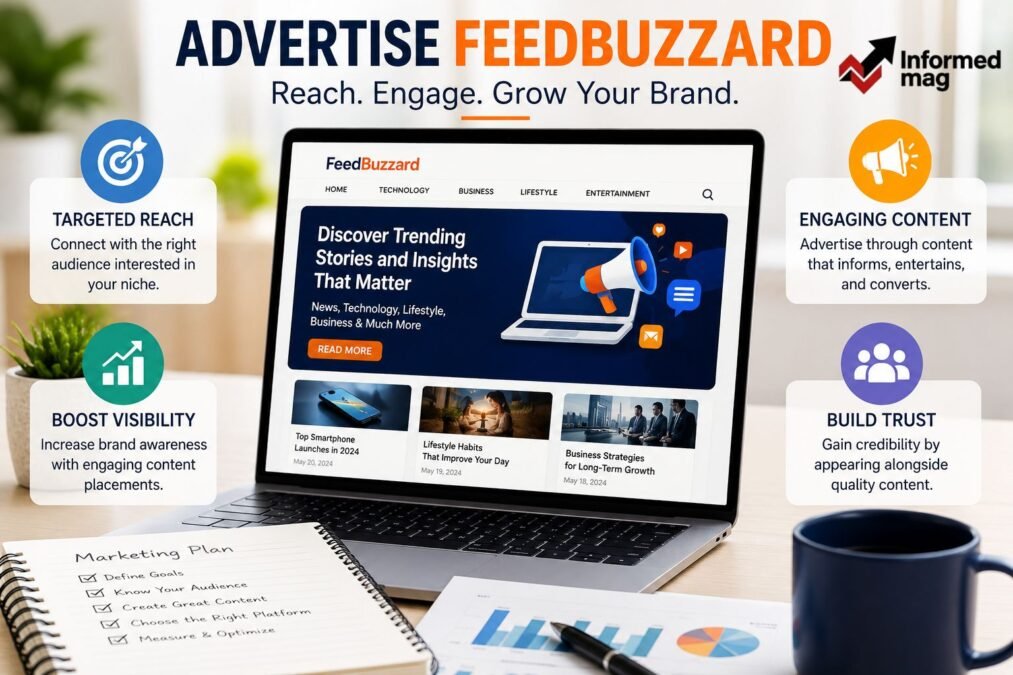
Trust is a critical factor in marketing performance.
Consumers have become increasingly cautious about online promotions. As a result, credibility often matters as much as visibility.
Businesses can strengthen trust by:
- Providing accurate information
- Avoiding exaggerated claims
- Using authentic messaging
- Highlighting genuine benefits
- Maintaining consistent branding
Trust-building takes time, but its long-term impact can significantly improve advertising effectiveness.
Brands that focus on transparency often enjoy stronger engagement and higher conversion rates.
Budget Planning
Effective advertising does not always require enormous budgets.
Many successful campaigns begin with modest spending levels and expand based on performance data.
A practical budget should consider:
- Campaign objectives
- Audience size
- Creative production costs
- Testing requirements
- Performance measurement
Starting with a controlled budget allows advertisers to evaluate results before increasing investment.
This approach reduces risk while providing valuable insights about audience response.
Testing Different Approaches
Advertising should be treated as an ongoing learning process.
Even experienced marketers rarely achieve perfect results on their first attempt.
Testing allows businesses to discover which elements resonate most effectively with audiences.
Useful tests may include:
- Different headlines
- Alternative visuals
- Various calls to action
- Different audience segments
- Multiple content formats
Small adjustments can produce significant improvements over time.
Regular testing helps advertisers refine campaigns and increase overall effectiveness.
Monitoring Campaign Performance
Advertising without measurement is largely guesswork.
Businesses should consistently monitor performance indicators that align with campaign goals.
Common metrics include:
- Website traffic
- Click-through rates
- Conversion rates
- Engagement levels
- Lead generation
- Return on investment
Monitoring results helps identify strengths and weaknesses within a campaign.
Data-driven decision-making generally leads to better outcomes than relying solely on assumptions.
Avoiding Common Mistakes
Many advertising challenges stem from avoidable mistakes.
One common issue is targeting audiences that are too broad. While broad targeting may increase reach, it often reduces relevance and efficiency.
Another mistake involves inconsistent messaging. If branding, visuals, and communication styles vary significantly, audiences may struggle to understand the offer.
Other common problems include:
- Weak calls to action
- Poor visual quality
- Unrealistic expectations
- Lack of testing
- Ignoring performance data
Recognizing these challenges early can help advertisers avoid unnecessary spending and improve results.
Long-Term Advertising Strategy
Successful marketing rarely happens overnight.
The strongest brands build visibility through consistent effort over time.
Rather than focusing solely on immediate results, businesses should view advertising as part of a broader growth strategy.
Long-term advertising can help:
- Increase brand awareness
- Build audience familiarity
- Strengthen customer trust
- Support ongoing lead generation
- Improve market positioning
Consistency often produces better outcomes than short bursts of promotional activity.
This principle applies regardless of the platform being used.
Future Opportunities
Digital advertising continues to evolve rapidly.
Consumer behavior, technology, and content consumption habits change regularly, creating new opportunities for businesses willing to adapt.
Content-focused platforms may continue gaining attention as audiences seek more personalized and engaging online experiences.
Advertisers who remain flexible, monitor trends, and prioritize audience value will be better positioned to succeed regardless of future platform developments.
The key is maintaining a balance between innovation and proven marketing fundamentals.
Frequently Asked Questions
What does advertise FeedBuzzard mean?
Advertise FeedBuzzard refers to promoting a business, product, service, or content through opportunities associated with the FeedBuzzard platform to increase online visibility.
Is FeedBuzzard suitable for small businesses?
Yes, small businesses can explore FeedBuzzard as part of a broader digital marketing strategy, especially when looking to reach online audiences through content-focused platforms.
How can advertisers improve their results on FeedBuzzard?
Advertisers can improve performance by understanding their target audience, creating relevant content, using strong visuals, and regularly reviewing campaign results.
What should businesses consider before advertising on FeedBuzzard?
Businesses should define clear goals, set a realistic budget, identify their target audience, and ensure their advertising message aligns with user interests.
Why is audience targeting important when advertising?
Good audience targeting helps ensure marketing messages reach people who are most likely to engage with the content, improving both efficiency and overall campaign performance.
Conclusion
For businesses researching how to advertise FeedBuzzard, the most important step is approaching the opportunity with a clear strategy and realistic expectations.
FeedBuzzard is primarily known as a content-focused platform that attracts readers interested in a variety of topics. While publicly available information about its advertising capabilities remains limited, the core principles of effective digital marketing remain the same.
Success depends on understanding your audience, creating relevant messaging, using strong visuals, monitoring performance, and continually refining campaigns.
Regardless of the advertising channel you choose, businesses that focus on providing value and building trust are far more likely to achieve sustainable results.
Advertising is ultimately about connecting with people. When campaigns prioritize relevance, authenticity, and consistency, meaningful growth becomes much more achievable.
